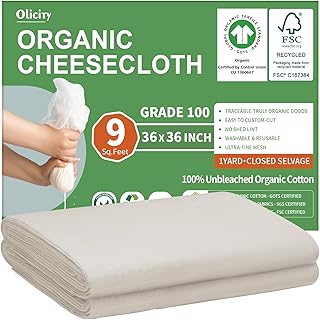
For many, the word cheesecloth conjures images of a simple white fabric used in the kitchen. However, this humble material is a powerhouse of versatility, finding its place not only in food preparation but also in arts, crafts, and home remedies. Understanding its types, grades, and proper uses can elevate your culinary projects and DIY endeavors. This guide will walk you through everything you need to know about this essential fabric.
What is Cheesecloth and What Are Its Primary Uses?
Cheesecloth is a lightweight, gauzy cotton fabric with a loose, open weave. Its name originates from its traditional use in cheesemaking, where it's employed to drain whey from curds, shaping cheeses like ricotta, paneer, and farmer's cheese. Beyond the dairy vat, its applications are impressively broad. In the kitchen, it's indispensable for straining stocks and broths to achieve crystal-clear consommés, bundling herbs for a bouquet garni, or wrapping a turkey to keep it moist during roasting—a technique many explore with cooking turkey guides. For home juicers, it acts as a perfect juice straining bag to separate pulp from liquid, yielding smooth, seed-free beverages.
Understanding Cheesecloth Grades: Why Grade Matters
Not all cheesecloths are created equal. They are classified by grades, numbered from 10 to 100, which indicate the thread count and tightness of the weave. A lower grade like 10 has a very open weave, suitable for filtering large particles. For most kitchen tasks, especially those requiring a fine filter, Grade 100 cheesecloth is the gold standard. Often called "butter muslin," its ultra-dense weave captures the tiniest curds or sediment, making it perfect for clarifying butter, making Greek yogurt, or crafting delicate cheeses. Products like the Cotton Farm Grade 100 XL Cheese Cloth exemplify this premium category, offering a reusable, hemmed fabric designed for serious cheese making and straining.
Choosing the Right Cheesecloth: Features to Consider
When selecting a cheesecloth, several factors beyond grade come into play. First, consider material: unbleached, 100% cotton is preferred for food safety and lack of chemical residues. Many eco-conscious cooks seek out options like the Organic Cheese Cloths, GOTS Certified, which guarantee an organic and ethically produced fabric. Second, size and precut convenience matter. While bulk yardage offers flexibility, precut squares like the 6-Pack Beige Cheesecloth, 20x20 Inch save time and reduce waste. Finally, look for durability features. Hemmed or serged edges, as found in the 12Pcs Reusable Cheese Cloths, prevent fraying and make the cloths truly reusable, transforming them from a single-use item into a sustainable cooking essential.
Beyond the Kitchen: Creative and Practical Uses
The utility of cheesecloth extends far beyond food straining. Its gentle, breathable nature makes it ideal for polishing silver, dusting delicate surfaces, or creating special effects in Halloween costumes. In gardening, it can protect seedlings from pests. For crafters, it's a wonderful material for making sachets, ghost decorations, or as a base for embroidery. Its role as a crafts fabric is often overlooked. A versatile pack, such as the Mostdream Cheese Cloths, provides ample material for both kitchen experiments and weekend DIY crafts projects.
Care, Maintenance, and Making the Right Choice
To get the most from your reusable cheesecloth, proper care is key. Rinse it immediately after use in cold water to remove food particles, then wash it in warm, soapy water. It can usually be machine washed on a gentle cycle and air-dried or tumble-dried on low. Avoid using fabric softener, as it can clog the weave. When choosing, match the cloth to your task. For heavy-duty, frequent straining, invest in a high-quality, dense cloth like the High-Grade 100 Cheesecloth – 6-Pack. For occasional use or crafts, a value pack like the 6 Pcs Cheese Cloths for Straining may suffice. For a deeper dive into all the nuances, our comprehensive Cheesecloth Guide: Uses, Types & How to Choose the Best Fabric is an excellent resource.
In conclusion, cheesecloth is a deceptively simple tool with profound utility. Whether you're clarifying a broth, making homemade cheese, straining fresh juice, or embarking on a craft project, having the right grade and type of cloth on hand makes all the difference. By understanding the options—from organic and GOTS-certified fabrics to convenient precut packs with hemmed edges—you can select a culinary cheesecloth that becomes a trusted, reusable ally in your kitchen and home.